
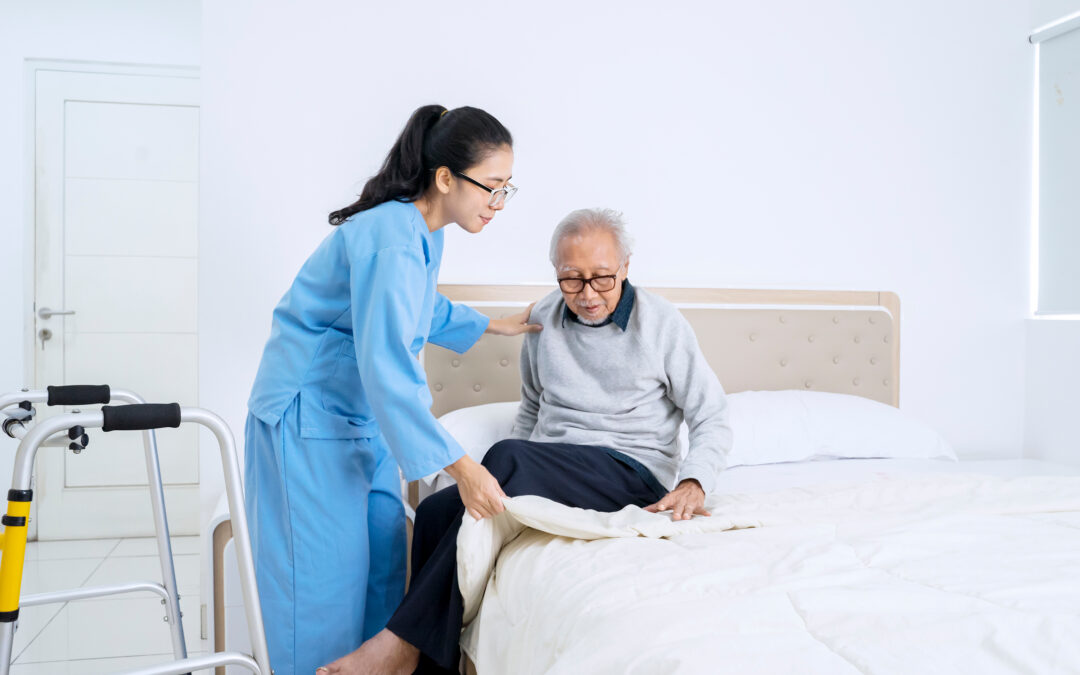
Pressure ulcers, also known as bedsores or pressure injuries, are one of the most preventable yet serious complications affecting individuals with limited mobility. Seniors, post-surgical patients, and individuals managing chronic conditions are especially vulnerable. When left untreated, pressure ulcers can lead to severe infections, prolonged hospital stays, increased healthcare costs, and reduced quality of life.
Effective prevention goes far beyond repositioning alone. Skilled nursing care plays a critical role by combining clinical assessments, evidence-based interventions, and continuous monitoring. Through professional oversight, early warning signs are identified before skin breakdown progresses into advanced wounds.
This guide explains how skilled nursing care prevents pressure ulcers, why professional oversight matters, and how families can protect loved ones receiving care at home.
What Are Pressure Ulcers and Why They Develop
Pressure ulcers occur when constant pressure restricts blood flow to the skin and underlying tissues. Without adequate circulation, skin cells become damaged and eventually break down. These injuries most commonly form on bony areas such as heels, hips, tailbone, elbows, and shoulder blades.
Several factors increase risk beyond immobility. Moisture, poor nutrition, friction, shear forces, and reduced sensation all contribute to skin breakdown. Seniors with diabetes, vascular disease, or neurological conditions face even higher risk due to impaired healing and sensation loss.
Skilled nursing care addresses these factors collectively rather than in isolation. Prevention succeeds when clinical judgment, daily care routines, and individualized plans work together.
The Role of Skilled Nursing in Pressure Ulcer Prevention
Skilled nurses bring medical training and wound prevention expertise that untrained caregivers cannot replicate. Their role focuses on anticipation, early detection, and intervention before wounds develop.
Unlike basic caregiving, skilled nursing includes ongoing skin assessments, risk scoring, documentation, and coordination with physicians. Nurses understand how subtle skin changes signal deeper tissue damage even when the skin surface looks intact.
Most importantly, skilled nurses apply evidence-based protocols proven to reduce pressure injury rates across healthcare settings, including home care.
Comprehensive Skin Assessments: The Foundation of Prevention
Early Detection Saves Skin Integrity
Routine skin assessments are essential in preventing pressure ulcers. Skilled nurses examine color changes, temperature differences, swelling, and texture abnormalities that signal compromised circulation.
These assessments occur on a scheduled and situational basis, such as after illness, medication changes, or reduced mobility. Skilled nurses recognize early signs like non-blanchable redness, which often precedes open wounds.
By documenting findings consistently, nurses track trends and intervene before damage escalates.
Using Standardized Risk Assessment Tools
Skilled nurses use validated tools such as the Braden Scale to evaluate pressure ulcer risk. This assessment measures factors including mobility, nutrition, moisture exposure, and sensory perception.
Below is an example of how skilled nursing evaluates risk:
| Risk Factor | Why It Matters | Skilled Nursing Action |
| Limited mobility | Increases pressure duration | Repositioning schedules |
| Poor nutrition | Delays skin repair | Dietary coordination |
| Moisture exposure | Weakens skin barrier | Skin protection protocols |
| Reduced sensation | Delays pain response | Increased monitoring |
These assessments guide personalized care plans rather than relying on one-size-fits-all routines.
Repositioning and Mobility Support Done Correctly
Why Technique Matters as Much as Frequency
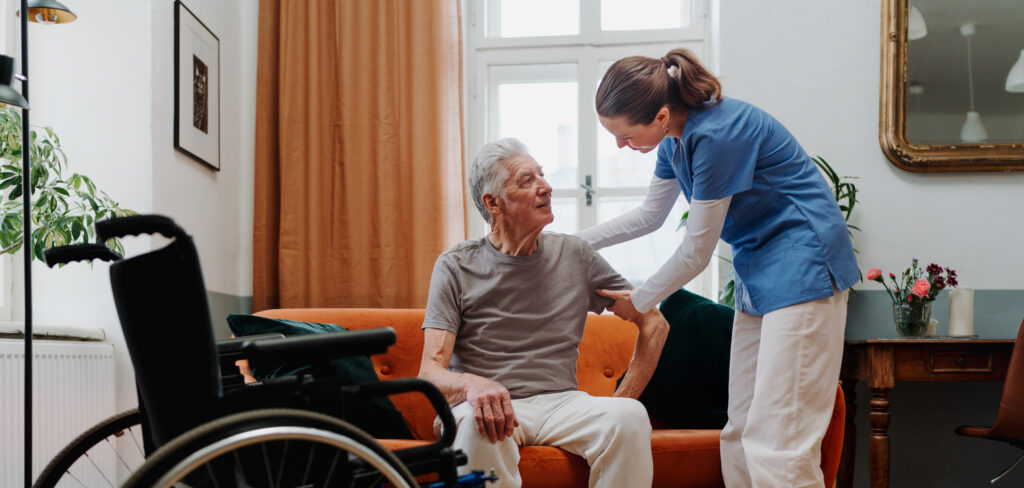
Repositioning prevents prolonged pressure, but improper technique can cause friction and shear, which worsens skin damage. Skilled nurses are trained to reposition patients safely using support surfaces, lift techniques, and positioning devices.
Nurses follow individualized turning schedules based on tolerance, medical condition, and skin response. This ensures comfort while maintaining skin protection.
Repositioning also promotes circulation, lung function, and joint mobility, providing benefits beyond skin health.
Encouraging Safe Movement and Participation
Skilled nurses encourage patients to participate in movement when possible. Even small shifts in weight reduce pressure intensity. Nurses educate patients and families on safe self-repositioning techniques to maintain consistency between visits.
This collaborative approach builds long-term prevention success.
Advanced Skin Care and Moisture Management
Protecting the Skin Barrier
Skin exposed to excess moisture from perspiration or incontinence becomes fragile. Skilled nurses implement structured skin care routines that include gentle cleansing, pH-balanced products, and protective barriers.
Unlike basic hygiene, nursing care focuses on preserving the skin’s natural defenses. Harsh soaps and improper drying techniques are avoided to prevent micro-damage.
Incontinence Management and Skin Integrity
Skilled nurses address incontinence proactively. They assess frequency patterns, recommend absorbent products, and apply barrier creams that reduce irritation and friction.
By managing moisture effectively, nurses significantly reduce pressure ulcer risk in vulnerable areas.
Nutrition and Hydration: Often Overlooked but Essential
Why Nutrition Is a Clinical Priority
Healthy skin depends on adequate protein, calories, vitamins, and minerals. Malnutrition weakens tissue resilience and delays healing even before wounds form.
Skilled nurses assess nutritional status through weight trends, appetite changes, and lab indicators. When concerns arise, they coordinate with physicians and dietitians to adjust care plans.
Key Nutrients for Skin Health
Important nutritional components include:
- Protein for tissue repair
- Vitamin C for collagen production
- Zinc for immune response
- Fluids for skin elasticity
Skilled nursing ensures nutrition supports prevention rather than becoming a silent risk factor.
Pressure-Relieving Equipment and Support Surfaces
Choosing the Right Equipment Matters
Not all cushions or mattresses offer equal protection. Skilled nurses evaluate support surfaces based on pressure distribution, patient weight, mobility level, and medical condition.
They recommend equipment such as pressure-reducing mattresses, heel protectors, and specialized cushions only when clinically appropriate.
Monitoring Equipment Effectiveness
Equipment alone does not prevent pressure ulcers. Skilled nurses monitor how patients respond, adjusting surfaces as needs change. This ensures ongoing protection rather than false reassurance.
Education for Families and Caregivers
Empowering Families Through Knowledge
Skilled nurses educate families on early warning signs, repositioning basics, and daily skin checks. This education builds confidence and consistency between professional visits.
Clear guidance prevents misunderstandings and reinforces prevention strategies at home.
Reducing Caregiver Stress Through Support
Families often worry about missing signs of skin breakdown. Skilled nursing oversight provides reassurance through regular evaluations and clear communication, reducing caregiver anxiety.
When Prevention Fails: Early Intervention Makes the Difference
Despite best efforts, some patients develop early-stage pressure injuries. Skilled nurses respond quickly with wound staging, treatment adjustments, and physician coordination.
Early intervention prevents progression to severe ulcers that require hospitalization or surgery. This proactive approach protects patient comfort and long-term outcomes.
Why Skilled Nursing Care Improves Long-Term Outcomes
Pressure ulcer prevention is not a one-time effort. It requires continuous assessment, adaptability, and clinical judgment. Skilled nursing care offers consistency that evolves with patient needs.
By addressing physical, nutritional, environmental, and educational factors together, skilled nurses deliver prevention that works.
Conclusion
Pressure ulcers are largely preventable with the right care. Skilled nursing care provides the clinical oversight, preventive strategies, and early intervention needed to protect vulnerable individuals.
Families seeking effective prevention should prioritize professional nursing involvement as part of comprehensive care planning. With expert support, patients remain safer, more comfortable, and better protected at home.
At Healing Hearts Medical, skilled nursing care focuses on prevention, compassion, and personalized support to safeguard skin health and overall well-being.
Frequently Asked Questions
1. What patients are most at risk for pressure ulcers?
Individuals with limited mobility, chronic illness, poor nutrition, or incontinence face the highest risk.
2. How often should skin assessments be performed?
Skilled nurses assess skin regularly and after any change in health or mobility.
3. Can pressure ulcers develop even with repositioning?
Yes. Improper technique, moisture, or poor nutrition can still cause skin breakdown.
4. Are pressure-relieving mattresses enough for prevention?
No. Equipment must be combined with skilled assessment, repositioning, and skin care.
5. Why choose skilled nursing over basic caregiving for prevention?
Skilled nurses provide clinical assessments, early detection, and medical coordination that basic care cannot offer.