

Heart disease remains the leading cause of death worldwide, affecting millions each year. Managing it effectively requires consistent monitoring, lifestyle adjustments, and proper medical care. This is where home health care for heart disease management plays a crucial role. It brings professional medical support right into a patient’s home, ensuring they receive the same level of care as they would in a hospital, but in a more comfortable, familiar environment.
With the rise of personalized health plans and remote monitoring technologies, home-based care has become an essential part of managing chronic conditions like heart disease. In this guide, we’ll explore how home health care services enhance heart disease management, improve recovery, and contribute to better long-term health outcomes.
Understanding Heart Disease and Its Challenges
Heart disease includes conditions like coronary artery disease, heart failure, arrhythmias, and valve disorders. These conditions limit the heart’s ability to pump blood efficiently, leading to fatigue, shortness of breath, and increased health risks. Patients recovering from heart attacks or living with heart failure often face difficulty maintaining regular medical appointments due to mobility or transportation issues.
This is where home health care for cardiac patients provides a valuable solution. By bringing professional nurses, therapists, and caregivers directly to the patient, the continuity of care improves dramatically. Managing heart disease at home helps patients adhere to medication schedules, maintain healthy routines, and monitor warning signs before complications occur.
The Importance of Home-Based Cardiac Care
Home health care focuses on preventive and rehabilitative support. It allows patients to recover in their own environment, which studies show can reduce stress and promote healing. A calm, familiar setting encourages better compliance with treatment plans and leads to fewer hospital readmissions.
A personalized home health care plan usually includes:
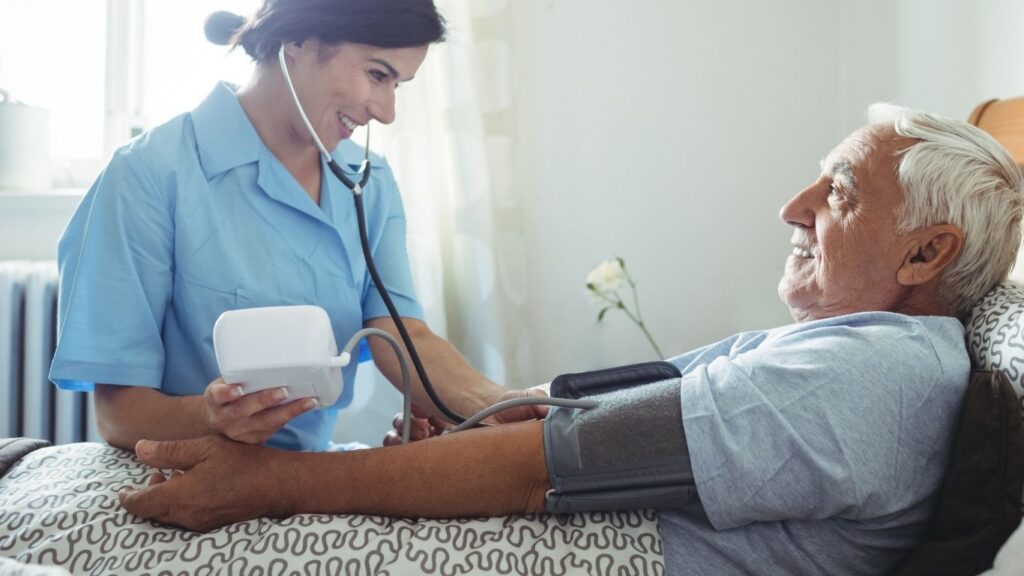
- Regular vital sign monitoring (blood pressure, heart rate, oxygen levels)
- Dietary and lifestyle guidance
- Physical therapy and supervised exercise
- Medication management
- Emotional and psychological support
These comprehensive services make home care a cornerstone of modern cardiac rehabilitation.
Key Benefits of Home Health Care for Heart Disease Patients
The advantages of home-based care go beyond convenience. Below are some of the most impactful benefits:
| Benefit | Description |
| Early Detection | Continuous monitoring helps detect irregularities before they escalate. |
| Reduced Hospital Visits | Consistent in-home care decreases the likelihood of emergency room visits. |
| Improved Quality of Life | Patients remain in familiar surroundings, reducing stress and anxiety. |
| Better Treatment Adherence | Regular supervision ensures medications and routines are followed correctly. |
| Personalized Care Plans | Services are tailored to individual health goals and conditions. |
These benefits highlight how home health care supports better heart health outcomes through consistency and compassionate care.
Role of Skilled Nursing in Cardiac Home Care

Skilled nursing is the foundation of home health care for heart disease. Nurses trained in cardiac care visit patients to perform essential health checks, administer medications, and monitor symptoms. They also educate patients and families about recognizing early warning signs, such as chest pain, swelling, or sudden fatigue.
In addition, nurses communicate directly with cardiologists and primary care physicians to adjust treatment plans as needed. This collaboration ensures that patients receive seamless, well-coordinated care at every stage of recovery.
Cardiac Rehabilitation at Home
Cardiac rehabilitation is often associated with hospitals, but many programs are now successfully implemented at home. These programs are designed to strengthen the heart through safe, structured physical activity and lifestyle changes.
At-home cardiac rehab can include:
- Guided exercise routines monitored by therapists
- Breathing and relaxation techniques
- Nutrition counseling
- Education on heart-healthy habits
Home-based rehabilitation not only saves travel time but also allows for personalized attention, improving motivation and consistency. Patients are more likely to follow through when care fits naturally into their daily routine.
The Role of Telehealth in Heart Disease Management
Technology has revolutionized the way home health care operates. Through telehealth for heart disease, healthcare providers can monitor patients remotely, track vital signs, and adjust medications in real time. Devices such as wearable ECG monitors, smart blood pressure cuffs, and mobile health apps have become indispensable tools.
Telehealth offers several advantages:
- Real-time data sharing with healthcare providers
- Early detection of abnormalities
- Convenient virtual consultations
- Fewer unnecessary hospital visits
By integrating technology with home health care, patients enjoy greater independence while still receiving expert oversight.
Medication Management and Compliance
For heart disease patients, medication adherence is non-negotiable. Missing doses or incorrect usage can lead to dangerous complications. Home health care professionals help by:
- Organizing medications and setting reminders
- Checking for side effects or drug interactions
- Educating patients about each prescription’s purpose
This hands-on assistance reduces errors and ensures medications are taken correctly, improving overall treatment effectiveness.
Nutritional Guidance and Lifestyle Support
A heart-healthy diet is a core component of managing cardiovascular conditions. Home health care providers often include dietitians who create customized meal plans focusing on:
- Reducing sodium intake
- Controlling cholesterol levels
- Balancing nutrients and portion sizes
They also guide patients on hydration, portion control, and reading food labels. This educational approach empowers patients to make better dietary choices daily, reducing the strain on their heart and improving long-term outcomes.
Emotional and Psychological Support in Home Care
Living with heart disease can trigger anxiety, depression, or fear of another cardiac event. Home health care providers understand these challenges and include mental health support as part of their service.
Through counseling, relaxation exercises, and emotional check-ins, patients regain confidence in their recovery process. Families also receive education on how to provide emotional support without overwhelming the patient.
The Role of Family Caregivers in Home Health Care
Family involvement is crucial in home-based cardiac management. Caregivers assist with daily tasks, help with medications, and provide companionship. Professional home care teams often train family members to recognize early warning signs and handle emergencies until medical help arrives.
This partnership between professionals and families strengthens the care network, ensuring patients receive constant attention and encouragement.
Preventing Readmissions Through Continuous Monitoring
One of the main goals of home health care is to prevent hospital readmissions. Regular health assessments, symptom tracking, and prompt interventions reduce the risk of complications. Studies have shown that patients receiving consistent home care are less likely to return to the hospital within 30 days of discharge.
By monitoring parameters like blood pressure, heart rate, and weight, caregivers can spot small changes that signal potential problems, allowing for timely medical response.
Choosing the Right Home Health Care Provider
Selecting a reliable home health care agency for heart patients is critical. Here are key factors to consider:
- Certification and Experience: Ensure the agency employs licensed cardiac care professionals.
- Customized Care Plans: Look for personalized programs designed around specific heart conditions.
- Communication: Choose providers who maintain clear communication with doctors and family members.
- Technology Integration: Providers who use digital monitoring tools can offer better long-term care.
- Reputation: Read reviews, ask for references, and verify accreditation.
Taking the time to find the right provider ensures consistent, high-quality care for the patient’s recovery journey.
Integrating Exercise and Physical Therapy at Home
Physical activity is essential for maintaining heart strength and circulation. Physical therapists in home care programs design customized exercises based on the patient’s health status. These may include:
- Light aerobic routines
- Flexibility and balance training
- Strength-building exercises
Therapists monitor progress and adjust routines to ensure safety. Regular physical activity enhances endurance, improves mood, and helps maintain a healthy weight, all vital for heart health.
How Home Health Care Promotes Long-Term Heart Health
Home health care doesn’t stop after immediate recovery. It promotes lifelong heart health by helping patients sustain positive habits. Ongoing education about diet, exercise, stress management, and regular monitoring keeps patients proactive rather than reactive.
Over time, patients develop greater awareness of their body’s signals and can take quick action when something feels off. This empowerment leads to better self-care and a higher quality of life.
Conclusion
Managing heart disease effectively requires consistency, education, and emotional support. Healing Hearts Medical Home Care brings all these elements together in one place, the patient’s home. It enables continuous monitoring, early detection, and a personal touch that hospital settings often lack.
As more people recognize the value of home-based cardiac care, it’s becoming a preferred choice for both patients and healthcare providers. The result is better health outcomes, improved comfort, and a more sustainable way to live with heart disease.
FAQs
1. What services are included in home health care for heart disease?
Home health care includes skilled nursing, physical therapy, medication management, nutritional counseling, and emotional support tailored to each patient’s needs.
2. Is home health care safe for cardiac patients?
Yes. Licensed professionals follow doctor-approved care plans and use advanced monitoring tools to ensure safety and timely intervention.
3. How often do caregivers visit heart disease patients at home?
The frequency depends on the patient’s condition. It can range from daily visits to weekly check-ins, adjusted as recovery progresses.
4. Can technology improve heart disease management at home?
Absolutely. Devices like remote ECG monitors and mobile apps enable real-time health tracking, helping caregivers detect issues early.
5. What’s the biggest benefit of home health care for heart disease?
The main advantage is continuous, personalized care that reduces hospital visits and enhances overall heart health through education and early intervention.