

Managing congestive heart failure (CHF) requires more than medication alone. It is a chronic condition that affects how the heart pumps blood, often leading to fatigue, shortness of breath, fluid retention, and frequent hospitalizations. For many patients, especially seniors, recovering and maintaining stability at home becomes difficult without professional medical oversight.
Skilled nursing care plays a vital role in helping individuals manage CHF safely at home. With licensed nurses monitoring symptoms, adjusting care plans, and coordinating with physicians, patients experience better outcomes and fewer emergency visits. Home-based skilled nursing bridges the gap between hospital discharge and long-term stability.
This guide explains how skilled nursing services support CHF management, improve quality of life, and help patients remain safe and comfortable in their own homes.
Understanding Congestive Heart Failure and Its Daily Challenges
Congestive heart failure occurs when the heart cannot pump blood efficiently. This leads to fluid buildup in the lungs, legs, and abdomen, making daily activities exhausting. Many patients struggle with walking short distances, sleeping comfortably, or managing simple routines.
CHF often worsens gradually. Symptoms may appear manageable at first but become severe without close monitoring. Weight fluctuations, swelling, irregular heart rate, and breathing difficulty are warning signs that require immediate attention. Without professional care, these symptoms can quickly escalate.
Skilled nursing ensures that changes in condition are identified early, preventing complications before they require hospitalization. This proactive approach is one of the most valuable benefits of professional CHF care.
The Role of Skilled Nursing in Congestive Heart Failure Management
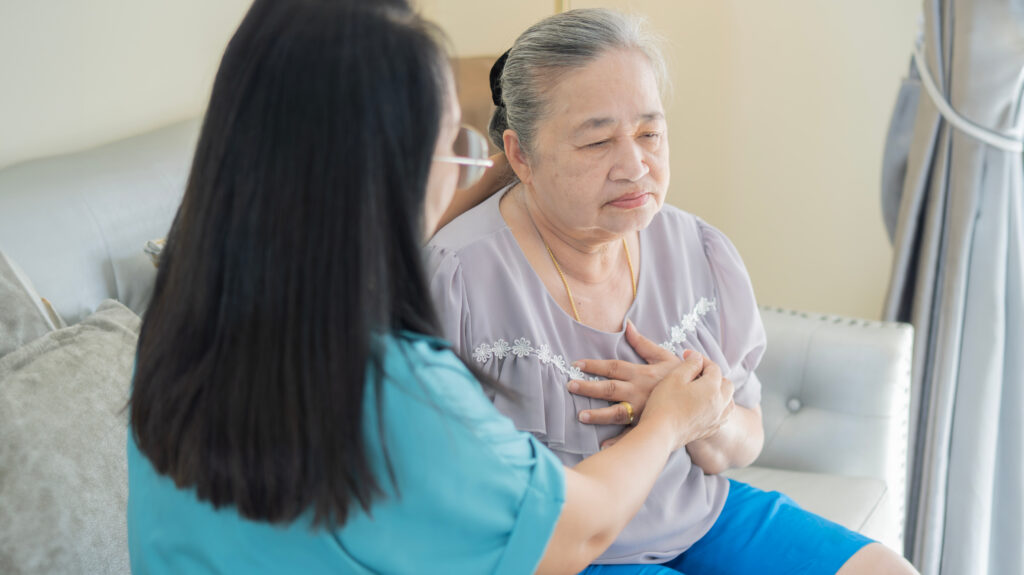
Skilled nursing goes beyond basic assistance. Licensed nurses provide clinical oversight, patient education, and medical coordination that are essential for CHF care.
Clinical Monitoring and Early Intervention
Nurses regularly assess blood pressure, oxygen levels, heart rate, and daily weight changes. These indicators help detect fluid retention or heart strain early. When nurses notice abnormal trends, they can notify physicians immediately.
Early intervention reduces emergency room visits and prevents avoidable hospital readmissions. This level of monitoring is difficult to achieve without skilled care.
Medication Management and Compliance
CHF patients often take multiple medications, including diuretics, beta blockers, and ACE inhibitors. Skilled nurses ensure correct dosing, proper timing, and monitor for side effects.
Medication errors are one of the leading causes of CHF complications. Skilled nursing significantly lowers this risk.
Symptom Management and Daily Support
CHF symptoms can fluctuate daily, making consistent support essential.
Breathing and Fatigue Management
Skilled nurses help patients manage shortness of breath by monitoring oxygen use, teaching breathing techniques, and adjusting positioning to improve airflow. They also help balance activity and rest to reduce exhaustion.
Edema and Fluid Control
Swelling in the legs and abdomen is common in CHF. Nurses monitor fluid intake, assess swelling, and adjust care plans as needed. This prevents discomfort and reduces cardiac strain.
Nutrition, Diet, and CHF Care
Diet plays a major role in heart failure management. Skilled nurses educate patients on low-sodium diets, fluid restrictions, and healthy meal planning.
Why Nutrition Matters
Excess sodium leads to fluid retention, increasing pressure on the heart. Skilled nurses help patients understand food labels, portion sizes, and hydration limits.
Nutrition Support Table
| Nutrition Focus | Skilled Nursing Support |
| Sodium Control | Education and meal planning |
| Fluid Balance | Daily intake monitoring |
| Weight Tracking | Early detection of fluid buildup |
| Appetite Changes | Dietary adjustments |
This structured guidance supports long-term stability.
Preventing Hospital Readmissions Through Skilled Nursing
Hospital readmissions are common for CHF patients, especially within the first 30 days after discharge. Skilled nursing dramatically reduces this risk.
Nurses follow physician discharge instructions carefully, reinforce education, and ensure medications and therapies are followed correctly. They also identify early warning signs before they become emergencies.
Preventing readmissions protects patients from stress, infection risk, and declining health.
Emotional Support and Patient Education

Living with CHF can be emotionally overwhelming. Anxiety, fear, and depression are common.
Skilled nurses provide reassurance, education, and emotional support. When patients understand their condition and know what symptoms to watch for, they feel more confident and in control.
Education empowers patients to participate actively in their care, leading to better outcomes.
Coordinating Care with Physicians and Specialists
CHF management often involves cardiologists, primary care physicians, and therapists. Skilled nurses act as a communication bridge.
They report changes, coordinate appointments, and ensure care plans are aligned. This collaboration prevents gaps in care and improves treatment effectiveness.
Who Benefits Most from Skilled Nursing for CHF?
Skilled nursing is ideal for patients who:
- Have recently been hospitalized for heart failure
- Experience frequent symptom flare-ups
- Struggle with medication management
- Require ongoing clinical monitoring
- Need support following care plan changes
For these individuals, skilled nursing provides stability and peace of mind.
Conclusion
Managing congestive heart failure requires expertise, vigilance, and compassion. Skilled nursing provides the clinical support patients need while allowing them to remain in the comfort of home.
With personalized monitoring, medication oversight, nutrition guidance, and emotional support, skilled nursing improves outcomes and quality of life. Families gain confidence knowing their loved one is receiving professional care tailored to their condition.
Healing Hearts Medical is committed to delivering skilled nursing services that support safe, effective CHF management at home.
Frequently Asked Questions
1. Can skilled nursing help prevent CHF hospital readmissions?
Yes. Skilled nursing reduces hospital readmissions by monitoring symptoms early and addressing issues before they become emergencies.
2. How often do skilled nurses visit CHF patients?
Visit frequency depends on medical needs, but care plans are customized and adjusted as conditions change.
3. Do skilled nurses manage medications for CHF?
Yes. Medication management is a core service, including monitoring side effects and ensuring proper dosing.
4. Is skilled nursing covered by insurance for CHF patients?
Many Medicare and insurance plans cover skilled nursing when medically necessary.
5. When should a CHF patient consider skilled nursing care?
Skilled nursing is recommended after hospital discharge, symptom worsening, or difficulty managing care independently.