

Chronic Obstructive Pulmonary Disease, known as COPD, is one of the most challenging respiratory illnesses affecting millions across the country. This condition limits airflow, makes breathing difficult, and affects the quality of life for seniors and adults with long-term pulmonary issues. Families often struggle to balance medications, monitor symptoms, and ensure their loved one maintains the comfort and safety needed to remain at home. This is why home health care has become essential for individuals managing COPD and other respiratory complications.
Today, more families recognize the value of bringing care into the home rather than relying solely on clinic visits or hospital stays. Home health care provides personalized respiratory support, skilled monitoring, and professional assistance designed to help patients breathe more comfortably. It also reduces stress for both the patient and their family because the care environment is familiar, stable, and free from the discomfort of repeated hospital visits.
This article provides an in-depth overview of how home health care plays a vital role in managing COPD. You will learn what services are available, how caregivers provide breathing support, and the ways home health interventions reduce hospital readmissions. Each section is expanded to deliver real value to families searching for guidance, education, and trusted solutions.
How COPD Affects Daily Life for Seniors
COPD affects the simplest daily tasks, turning activities like getting dressed or walking to the kitchen into exhausting moments. Seniors often feel short of breath, fatigued, and limited in what they can accomplish throughout the day. These limitations create frustration and emotional strain, making it difficult to enjoy hobbies or maintain independence. The sense of losing control over daily routines can be overwhelming, especially for patients who were previously active.
Another challenge is the emotional toll COPD brings. Many seniors feel anxious because they fear episodes of breathlessness. This anxiety can lead to avoidance of daily movement, which worsens lung function over time. The combination of physical limitations and emotional strain creates a cycle that reduces overall quality of life. Home health care breaks this cycle by offering both medical support and emotional reassurance.
Below is a simple table showing how COPD disrupts health and routines:
| COPD Challenge | How It Affects Daily Life |
| Shortness of breath | Limits movement and activity |
| Fatigue | Reduces energy for self-care tasks |
| Coughing | Disrupts sleep and comfort |
| Anxiety | Creates fear during breathing episodes |
| Weakness | Makes daily tasks more difficult |
Why Home Health Care Is Essential for COPD Patients
Home health care is not simply a convenience for COPD patients. It is a critical part of managing symptoms, maintaining long-term stability, and preventing dangerous respiratory episodes. When seniors stay home, they are surrounded by comfort and familiarity, which naturally lowers stress and makes breathing easier. Hospitals, by contrast, expose patients to noise, stress, and environmental triggers that may worsen respiratory issues.
Patients also benefit from personalized care tailored to their specific oxygen needs, mobility limitations, medication schedule, and symptoms. Home health nurses understand the unique complexities of COPD and adjust care plans based on the individual’s breathing patterns, lung capacity, and lifestyle. These tailored care strategies help prevent flare-ups and reduce the risk of complications.
Finally, one of the greatest benefits is the safety and monitoring provided. COPD flare-ups can happen suddenly. Having a trained professional nearby ensures fast detection and early intervention. This rapid response prevents emergencies and promotes long-term stability.
Key Home Health Services That Support COPD Management

Home health care includes several specialized services designed to ease breathing, improve comfort, and support long-term respiratory health. Each service targets a different aspect of COPD care, making in-home treatment more effective than relying on occasional clinic visits. Seniors benefit from skilled care, personalized attention, and consistent monitoring, all delivered in the comfort of home.
Skilled Nursing and Respiratory Support
Skilled nurses play a major role in COPD management because they are trained to evaluate breathing patterns, monitor oxygen levels, and identify early signs of respiratory distress. Nurses assess lung function during each visit and adjust care strategies based on how the patient responds. This personalized care keeps patients stable and prevents worsening symptoms.
Nurses also support respiratory function by providing suctioning assistance, helping manage mucus buildup, and guiding patients through breathing exercises. Their presence reassures both seniors and families that professional oversight is available at all times.
Daily Support and Assistance
Beyond medical tasks, home health caregivers help with essential daily activities that become difficult for COPD patients. Activities like bathing, dressing, and preparing meals require energy, and conserving energy is a key part of COPD management. Caregivers provide the support seniors need to move safely and complete their routines without becoming short of breath.
These daily tasks also help seniors maintain independence. This independence reduces frustration, boosts confidence, and improves emotional well-being.
Monitoring Symptoms and Preventing Respiratory Complications
Monitoring is one of the most important roles home health care plays in COPD management. Respiratory conditions can change quickly, so consistent evaluation helps caregivers detect problems before they escalate. Regular monitoring prevents complications, reduces emergency room visits, and promotes safer care at home.
Early Warning Sign Detection
Home health nurses observe changes in breathing patterns, skin color, coughing frequency, and mucus production. Early detection of respiratory decline allows caregivers to adjust oxygen use, modify breathing exercises, or notify medical providers immediately. This helps prevent flare-ups from turning into emergencies.
Daily Check-Ins and Evaluations
Routine assessments include evaluating lung sounds, checking vitals, and reviewing how the patient feels. These evaluations help identify what triggers breathing trouble and what improves respiratory comfort. Over time, caregivers gain a complete understanding of the patient’s condition, which helps refine care strategies.
Safety Protocols
Home health teams ensure that oxygen equipment, inhalers, and nebulizers are used correctly and safely. They check tubing, inspect filters, and make sure all equipment functions properly. These steps help minimize the risk of complications.
Medication Management for COPD and Respiratory Conditions
Medication is essential for COPD stability, and home health care ensures medications are taken correctly and consistently. Seniors with COPD often use multiple types of medications, making organization and timing extremely important.
Correct Dosing and Timing
Missing doses or taking medication incorrectly increases the risk of flare-ups. Home health caregivers remind patients of medication schedules, track doses, and make sure inhalers or nebulizers are used properly. This prevents treatment gaps and promotes consistent symptom control.
Support With Inhaler Technique
Improper inhaler use is common among seniors with COPD. A caregiver teaches correct inhaler technique, showing patients how to breathe, how to hold the device, and how to coordinate inhalation with medication release. This ensures medication reaches the lungs more effectively.
Medication Category Table
| Medication Type | Purpose |
| Bronchodilators | Open airways and improve breathing |
| Steroids | Reduce lung inflammation |
| Oxygen therapy | Improves oxygen saturation |
| Antibiotics | Treat respiratory infections |
| Mucus thinners | Reduce congestion and coughing |
Caregivers also track side effects and communicate changes to healthcare providers, ensuring safe and effective treatment.
The Role of Skilled Nurses in COPD Care at Home
Skilled nurses are at the center of home health care for COPD because they provide clinical oversight, symptom tracking, and emergency prevention. Their training allows them to make quick decisions, identify subtle changes, and tailor care plans to the individual’s condition.
Comprehensive Assessments
Nurses perform detailed assessments that look at oxygen saturation, lung capacity, heart rate, swelling, and coughing patterns. They identify problems early and create strategies to keep the patient stable.
Family Education
Nurses also train family members on how to support their loved one. They explain how to use oxygen safely, recognize signs of respiratory distress, and respond appropriately if symptoms worsen. This education empowers families to feel confident in managing COPD at home.
Tracking Symptoms and Progress
Consistent documentation helps nurses understand trends in breathing patterns. They adjust care plans to meet the patient’s changing needs and provide updates to the patient’s medical team.
Preventing Hospital Readmissions Through Home Health Care
Frequent hospital visits are common for COPD patients, but home health care dramatically reduces these incidents. By providing early intervention, professional oversight, and consistent monitoring, home health professionals help patients remain stable at home.
Common Readmission Triggers
- Missed medications
- Respiratory infections
- Incorrect oxygen use
- Overexertion
- Poor inhaler technique
How Home Health Prevents These Issues
Caregivers track symptoms, support daily care, and help patients avoid triggers that worsen breathing. This proactive care prevents emergencies and maintains long-term stability.
Lifestyle Adjustments Supported by Home Health Care Providers
Lifestyle changes play a crucial role in how well COPD patients manage symptoms at home. Home health caregivers create personalized routines that help reduce flare-ups, improve comfort, and support better breathing. These adjustments allow seniors to maintain independence with confidence, knowing their caregivers are guiding them toward healthier habits.
Diet and Nutrition Support
Proper nutrition helps the body use oxygen more efficiently. Caregivers help prepare balanced meals rich in vitamins, healthy fats, and lean proteins. Seniors who receive good nutrition often experience fewer energy crashes and better stamina. Caregivers also monitor hydration, which is important for thinning mucus and preventing airway blockage.
Activity and Mobility Guidance
Movement is essential for maintaining lung strength, even for those with severe COPD. Caregivers provide gentle mobility exercises that match the senior’s comfort level. These activities build stamina, support circulation, and reduce stiffness. With guided support, seniors feel safer staying active without overexerting themselves.
Stress and Anxiety Management
Stress has a strong effect on breathing. Caregivers help patients practice relaxation techniques, slow breathing, and calming routines. This emotional support builds confidence and helps seniors feel more in control during breathing difficulties.
How Home Health Care Supports Emergency Preparedness
COPD symptoms can escalate quickly, and having a clear emergency plan helps reduce fear for both patients and families. Home health caregivers ensure that everyone involved knows how to respond correctly during respiratory distress.
Recognizing Warning Signs Early
Caregivers teach families how to identify signs of worsening symptoms, such as rapid breathing, chest tightness, increased coughing, or bluish skin tones. Early recognition prevents emergencies by prompting quick action.
Creating a Personalized Emergency Plan
This plan includes emergency contacts, medication instructions, and steps to follow during breathing difficulties. A prepared plan reduces panic during an emergency and increases the chance of a calm, controlled response.
Emergency Steps and Support
Caregivers ensure oxygen equipment is functioning, medications are accessible, and the home environment remains free from hazards. Families feel more secure knowing a professional has prepared them for worst-case scenarios.
Family Education and Support for COPD Care
Family members often play a direct role in supporting COPD patients, but they need proper training to provide effective help. Home health caregivers bridge this gap by teaching families how to handle daily care with confidence and understanding.
Hands-On Training
Caregivers show families how to assist with inhalers, nebulizers, oxygen equipment, and breathing exercises. This step-by-step guidance ensures tasks are performed safely and correctly.
Understanding Symptoms and Triggers
Families learn what triggers breathing issues, such as smoke, dust, strong fragrances, or cold air. By reducing exposure to triggers, they help maintain lung health and minimize complications.
Reducing Caregiver Stress
Caring for someone with COPD can be emotionally challenging. Home health support gives families peace of mind by sharing responsibilities and offering expert guidance.
Emotional Support and Anxiety Reduction for COPD Patients
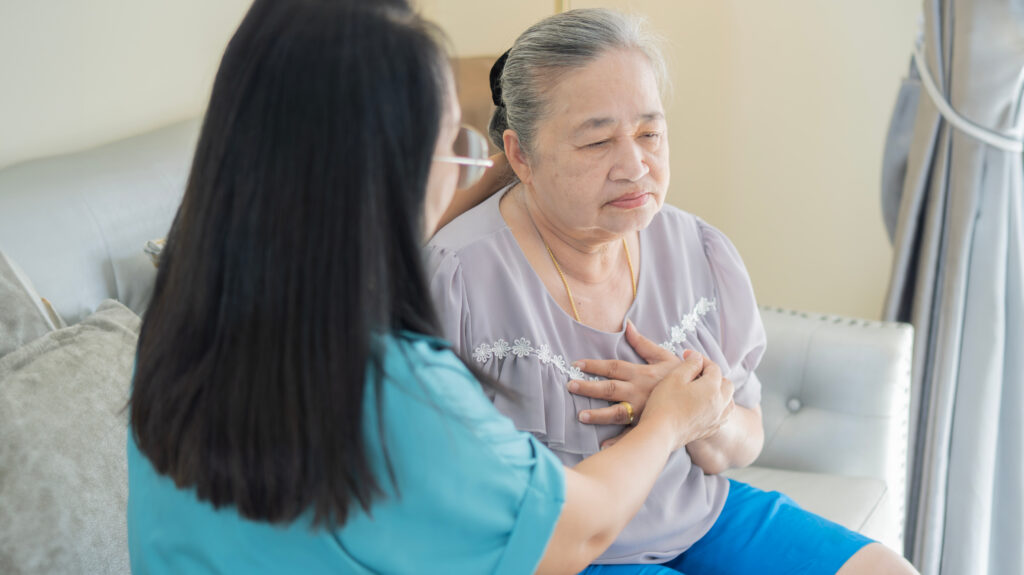
Living with COPD can be frightening, especially during sudden breathlessness. Home health caregivers provide steady emotional support that helps reduce anxiety and improves daily comfort.
How COPD Creates Anxiety
Breathing difficulty naturally causes fear, and this fear can lead to panic. Seniors may worry about having an episode when they are alone, which increases stress and worsens symptoms.
Support From Compassionate Companions
Caregivers offer conversation, reassurance, and calming presence during breathing discomfort. This emotional support makes patients feel understood and reduces the mental strain associated with COPD.
Comfort Strategies
Relaxation techniques, guided breathing, and structured routines help seniors regain emotional control and reduce the intensity of anxiety episodes.
Choosing the Best Home Health Provider for COPD
Families need the right home health provider to ensure safety, comfort, and long-term stability. A reliable agency should offer trained nurses, respiratory support, and personalized care plans tailored to the patient’s condition.
What Families Should Look For
- Skilled nurses experienced in COPD and respiratory care
- Consistent monitoring and emergency preparedness
- Custom care plans and flexible scheduling
- Clear communication and family involvement
Questions To Ask Providers
- Do you specialize in respiratory care?
- How do you monitor breathing symptoms?
- What strategies do you use to prevent flare-ups?
- How do you support oxygen therapy at home?
Personalizing the Care Plan
A strong provider listens to the patient’s needs, evaluates symptoms, and creates a care strategy that supports long-term health. Families should feel confident that the agency prioritizes both safety and comfort.
Conclusion
Home health care plays a vital role in supporting COPD patients and improving their quality of life. From skilled nursing visits to oxygen therapy support and emotional reassurance, caregivers provide stability and professional oversight that reduces risks and enhances daily comfort. With the right home health team, seniors can maintain independence while managing symptoms safely at home. Families seeking compassionate and specialized support can trust Healing Hearts Medical to deliver personalized respiratory care with dedication and expertise.
FAQs
1. How does home health care help manage COPD symptoms?
Home health care provides skilled monitoring, breathing exercises, medication support, and oxygen therapy assistance that help stabilize symptoms and prevent flare-ups.
2. Can home health care reduce COPD-related hospital visits?
Yes, caregivers monitor symptoms daily and intervene early, reducing the likelihood of emergencies and hospital readmissions.
3. What breathing techniques do caregivers teach?
Caregivers teach diaphragmatic breathing, pursed-lip breathing, and gentle exercises that support lung strength and improve airflow.
4. Does home health care include oxygen therapy management?
Yes, caregivers help set up equipment, check oxygen flow levels, monitor safety, and ensure proper usage according to the care plan.
5. How often do COPD patients need home health visits?
Frequency varies, but many patients benefit from several weekly visits or daily support depending on symptom severity and oxygen needs.