Occupational therapy and physical therapy play a powerful role in rehabilitation. Many patients search for the fastest way to regain mobility, strength, independence, and confidence after an injury, surgery, stroke, or chronic condition. When these two therapies work together, recovery becomes smoother, safer, and more effective. This article explores how the combination of occupational therapy (OT) and physical therapy (PT) improves function, restores movement, and enhances quality of life.
The collaboration between both disciplines supports the body and the mind, improves daily task performance, strengthens muscles, and reduces long-term limitations. Understanding how OT and PT complement one another is essential for anyone aiming for complete rehabilitation or care planning. This guide provides a clear, structured overview to help patients and families make informed decisions and to support searchers looking for trustworthy rehabilitation insights.
What Occupational Therapy Focuses On
Occupational therapy is designed to help individuals perform everyday activities with confidence. These activities include dressing, grooming, cooking, working, and social participation. OT targets the tasks a person needs and wants to do in order to live independently.
Occupational therapists use various techniques to improve fine motor skills, coordination, problem-solving abilities, and sensory processing. They assess the patient’s environment and identify modifications or adaptive equipment that can support safe and effortless living. This approach creates a personalized plan to support independence across all areas of life.
To support recovery, OT may include:
- Training for daily activities
- Strengthening fine motor movements
- Sensory rehabilitation
- Cognitive and memory exercises
- Home safety evaluations
- Adaptive equipment recommendations
The overall goal of OT is to help patients regain a sense of control and comfort in their everyday routines.
What Physical Therapy Focuses On

Physical therapy centers on restoring movement, strength, flexibility, and balance. PT is usually recommended for patients with mobility impairments, muscle weakness, joint limitations, or pain due to injury or illness.
A physical therapist evaluates posture, gait, muscle tone, and physical endurance. They design a customized plan to improve mobility and reduce pain using hands-on techniques and therapeutic exercises. This helps patients move with less discomfort and greater stability.
Common PT interventions include:
- Strength-building exercises
- Pain management techniques
- Manual therapy
- Balance and gait training
- Joint mobility work
- Posture correction
- Endurance training
The main mission of PT is to help patients regain physical function to participate fully in daily life.
Why Occupational and Physical Therapy Work Best Together
OT and PT share a common purpose: improving quality of life. When combined, each therapy supports different aspects of recovery. PT improves mobility and strength, while OT focuses on helping patients apply these abilities to daily routines. This integrated approach achieves more complete and long-lasting rehabilitation outcomes.
Patients benefit from:
- Faster progress
- Better coordination between therapies
- A more comprehensive care plan
- Reduced risk of re-injury
- Stronger confidence in independent living
This dynamic teamwork provides a more complete path to recovery and long-term wellness.
How OT and PT Support Each Other in Rehabilitation
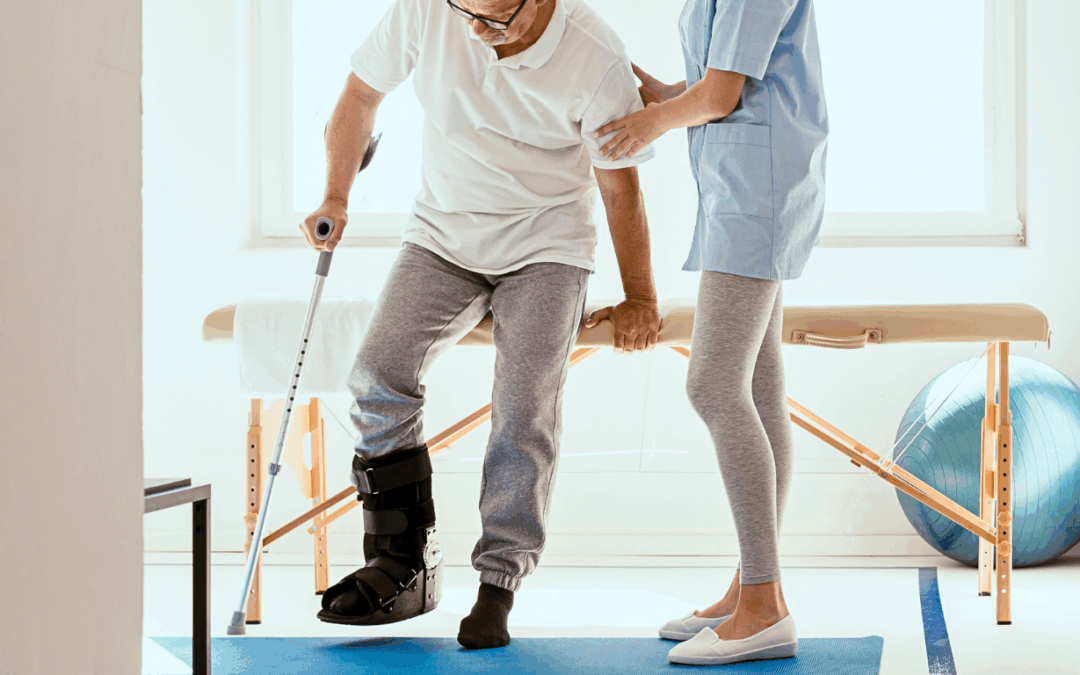
A successful recovery plan often blends both therapies to address physical and functional challenges. OT may help a patient transfer safely from a bed to a chair. PT will build the muscle strength required for that movement. Each therapy reinforces the progress achieved in the other.
For example:
- PT improves leg strength. OT uses that strength to teach safe stair climbing.
- PT increases shoulder mobility. OT helps apply that improved motion to grooming or bathing.
- PT improves balance. OT teaches practical ways to maintain stability while cooking or dressing.
The result is a unified rehabilitation plan that considers both movement and daily functionality.
Key Differences Between OT and PT
Below is a simple comparison chart that clarifies the main differences.
| Aspect | Occupational Therapy | Physical Therapy |
| Main Goal | Improve daily activity performance | Restore movement and reduce pain |
| Focus Area | Fine motor skills, cognitive skills, home tasks | Strength, mobility, endurance |
| Common Tools | Adaptive devices, environmental changes, task training | Exercise machines, manual therapy, mobility equipment |
| Outcome | Enhanced independence | Improved physical function |
Both therapies are essential for a complete recovery plan.
Conditions That Benefit From Both Therapies
Many conditions require a combined OT and PT approach for the best possible results. These include:
- Stroke recovery
- Orthopedic injuries
- Joint replacement
- Neurological disorders
- Chronic pain
- Parkinson’s disease
- Arthritis
- Post-surgical rehabilitation
- Spinal cord injuries
Each condition impacts both physical movement and daily task performance, which makes the combination of OT and PT especially beneficial.
How Combined Therapy Improves Strength and Independence
Occupational therapy and physical therapy jointly strengthen the physical and functional aspects of recovery. PT builds muscle strength while OT applies that strength to daily activities. This balanced approach improves both capability and confidence.
Patients often report increased independence in:
- Walking safely
- Bathing and grooming
- Housework
- Cooking
- Managing medication
- Reaching or lifting
This synergy creates a smoother rehabilitation process.
Enhancing Daily Activities Through OT and PT
Daily activities depend on both coordination and strength. OT teaches strategies to perform tasks with minimal strain. PT improves the physical abilities needed for these tasks. Together, they increase energy, reduce discomfort, and boost the quality of day-to-day life.
Some commonly improved activities include:
- Getting in and out of vehicles
- Managing personal hygiene
- Moving from sitting to standing
- Using assistive tools properly
- Performing household chores
Patients gain the skills to manage their day with less fatigue and more control.
Adaptive Equipment and Mobility Training
OT specialists identify adaptive tools that make tasks safer. PT professionals teach proper body mechanics and mobility techniques. This teamwork supports practical use of devices like grab bars, walkers, reachers, dressing aids, and shower chairs.
Patients learn:
- Safe equipment handling
- Correct walking assistance methods
- Techniques to reduce fall risk
- Body positioning for pain relief
This combination reduces injury risk and improves long-term safety.
Pain Management Using Combined Therapy
Pain can limit mobility and daily performance. PT helps reduce pain through strengthening exercises, stretching, joint mobilization, and physical modalities. OT teaches strategies that reduce strain during daily tasks. Together, these therapies create a consistent system for pain relief.
Patients learn to move with confidence while also discovering ways to avoid pain triggers during routines.
Building Confidence and Emotional Strength
Rehabilitation is both physical and emotional. OT supports cognitive and emotional resilience by helping patients navigate daily tasks that feel overwhelming. PT builds physical confidence through improved movement. Together, these therapies empower patients by showing them what they can accomplish.
Many patients experience:
- Improved motivation
- Reduced anxiety
- Greater independence
- Renewed hope and positivity
This emotional strength accelerates recovery.
Customized Therapy Plans for Long-Term Results

Each patient receives a personalized plan based on unique needs, goals, and medical history. OT and PT professionals collaborate closely to design treatment plans that support long-term success.
A personalized plan may include:
- Exercise routines
- Home task practice
- Mobility training
- Safety strategies
- Adaptive tool recommendations
- Progress tracking
This unified plan supports steady improvement and sustainable wellness.
Conclusion
A combination of occupational therapy and physical therapy creates a comprehensive recovery path that improves strength, mobility, independence, and emotional resilience. When these therapies support one another, patients experience quicker progress and better long-term outcomes. Their partnership provides a full spectrum of care, making rehabilitation safer and more effective from every angle.
For compassionate and reliable rehabilitation support, Healing Hearts Medical is committed to helping individuals regain confidence and independence through personalized care.
FAQs
1. Why is combining OT and PT important for recovery?
Combining both therapies addresses physical movement and daily task performance at the same time. This creates a more complete and efficient recovery plan.
2. Can OT and PT be done on the same day?
Yes. Many rehabilitation programs schedule both therapies on the same day to maximize progress and improve coordination between treatment plans.
3. Do all patients need both therapies?
Many patients benefit from both, especially those recovering from stroke, surgery, injury, or chronic conditions. Your care team will determine the best combination for your needs.
4. How long do OT and PT programs last?
The duration depends on the patient’s condition, goals, and progress. Some programs last a few weeks. Others continue for several months for long-term improvement.
5. Do OT and PT support mental wellness too?
Yes. OT improves cognitive and emotional engagement. PT boosts physical confidence. Together, they help reduce stress and support overall well-being.