

Recovering from joint replacement surgery is a major physical and emotional milestone. Procedures such as knee replacement, hip replacement, and shoulder replacement restore mobility and relieve chronic pain, but the success of surgery depends heavily on the quality of recovery that follows. Many patients leave the hospital within days, yet their bodies still require structured care, monitoring, and support.
Home health care plays a critical role in post joint replacement recovery. It bridges the gap between hospital discharge and full independence by delivering skilled medical services, therapy, and personal support directly in the patient’s home. This approach reduces complications, improves mobility outcomes, and promotes confidence during healing.
This guide explains how home health services support joint replacement recovery, what patients can expect, and why professional in-home care often leads to faster, safer, and more comfortable healing.
Understanding the Recovery Process After Joint Replacement Surgery
Joint replacement recovery follows a structured progression that requires consistency, patience, and professional oversight. While each patient heals differently, most experience similar stages during the first weeks and months after surgery.
During the early phase, the body focuses on wound healing, pain control, and inflammation reduction. Mobility is limited, and patients are at higher risk for falls, infection, and blood clots. As healing progresses, physical strength and range of motion gradually return through guided exercise and daily activity.
Home health care ensures that each phase of recovery is supported appropriately. Skilled professionals monitor healing, adjust care plans, and reinforce surgeon instructions so progress remains steady and safe.
Common Challenges During Early Recovery
Patients often face several hurdles once they return home. These challenges are normal but require careful management to avoid setbacks.
- Pain and stiffness that interfere with movement
- Difficulty walking or transferring safely
- Fatigue during daily activities
- Anxiety about damaging the new joint
With home health support, these challenges are addressed proactively rather than reactively, reducing hospital readmissions and recovery delays.
The Role of Skilled Nursing in Joint Replacement Recovery
Skilled nursing is one of the most valuable components of home health care after joint replacement surgery. Nurses provide clinical oversight that ensures medical stability while educating patients and families.
Nurses monitor vital signs, assess surgical wounds, and identify early warning signs of infection or complications. This level of observation is difficult to maintain without professional involvement, especially during the first weeks at home.
Key Nursing Responsibilities
Skilled nurses support recovery through structured medical care that promotes healing and confidence.
- Wound care and incision monitoring
- Pain management coordination with physicians
- Medication administration and education
- Blood clot prevention monitoring
By maintaining close communication with surgeons and therapists, nurses help patients remain on track with recovery goals while minimizing risks.
Physical Therapy at Home: Restoring Strength and Mobility
Physical therapy is essential after joint replacement surgery. Without consistent movement and strengthening, joints can become stiff and weak, limiting long-term results.
Home-based physical therapy allows patients to rebuild mobility in a familiar and comfortable environment. Therapists tailor exercises to the home layout, making recovery more practical and relevant to daily life.
Benefits of In-Home Physical Therapy
Receiving therapy at home improves adherence and safety while maintaining progress.
- Exercises are adapted to stairs, hallways, and furniture
- Reduced risk of falls during travel to clinics
- One-on-one guidance without distractions
Physical therapists focus on range of motion, muscle strengthening, balance training, and walking mechanics. Over time, patients gain confidence using their new joint safely and effectively.
Occupational Therapy: Regaining Independence in Daily Life
Occupational therapy addresses the practical side of recovery that often receives less attention. After joint replacement, everyday activities can become difficult or unsafe without guidance.
Occupational therapists help patients relearn daily tasks while protecting the surgical joint. This approach prevents strain and promotes independence.
Daily Activities Supported by Occupational Therapy
Rather than focusing solely on exercise, occupational therapy centers on function.
- Bathing and personal hygiene
- Dressing and footwear management
- Safe kitchen movement and meal preparation
- Using assistive devices correctly
By adapting techniques and recommending equipment, occupational therapy empowers patients to resume routines with dignity and safety.
Pain Management and Medication Support at Home
Pain control is essential for successful recovery. Unmanaged pain can limit mobility, delay healing, and increase emotional stress.
Home health professionals ensure medications are taken correctly and adjusted as recovery progresses. They also educate patients on non-medication strategies that support comfort.
Balanced Pain Control Strategies
Effective pain management combines medical and non-medical approaches.
| Pain Management Method | Purpose |
| Prescribed medications | Control post-surgical pain |
| Ice and elevation | Reduce swelling and inflammation |
| Gentle movement | Prevent stiffness and improve circulation |
| Relaxation techniques | Ease anxiety-related tension |
This balanced approach supports healing while reducing reliance on long-term medication use.
Fall Prevention and Home Safety After Joint Surgery
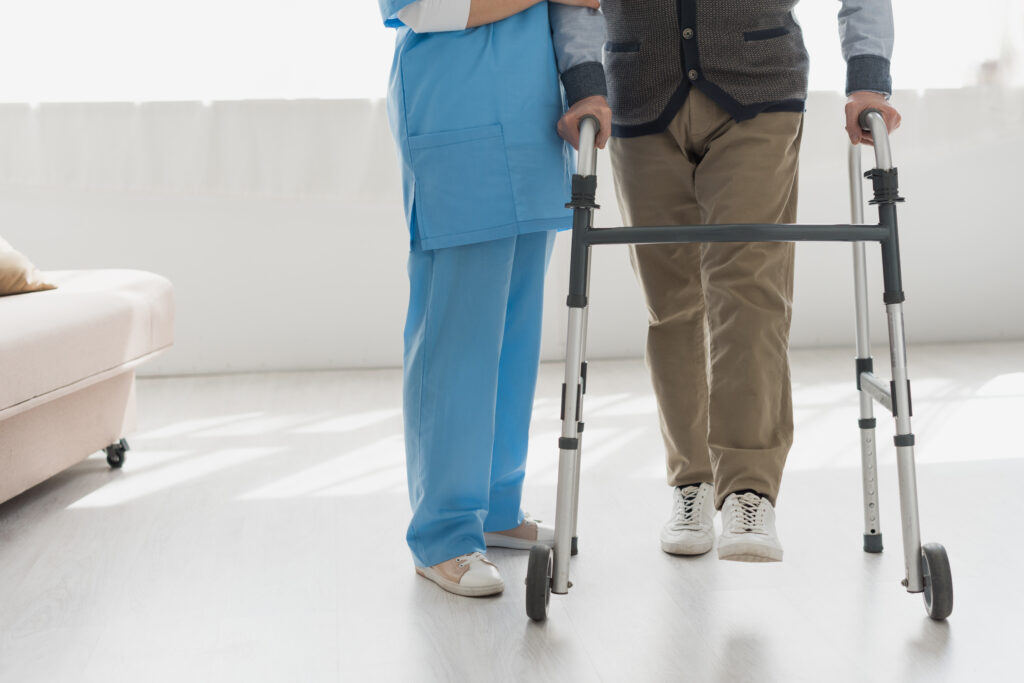
Falls are one of the most serious risks following joint replacement surgery. Limited mobility, weakness, and environmental hazards can increase danger during recovery.
Home health teams assess the living environment and recommend safety modifications. These adjustments protect patients while encouraging movement.
Common Safety Enhancements
Safety planning is personalized to each home.
- Removal of loose rugs and clutter
- Installation of grab bars and handrails
- Improved lighting in walkways
- Use of walkers or canes as needed
These changes create a safer recovery environment and reduce anxiety for both patients and families.
Emotional Support and Confidence Building During Recovery
Joint replacement recovery is not only physical. Many patients experience frustration, fear, or emotional fatigue during healing.
Home health professionals provide reassurance and encouragement while tracking progress. This consistent support builds confidence and motivation.
Patients often feel more comfortable asking questions at home, leading to better understanding and adherence to recovery plans. Emotional well-being directly influences physical outcomes, making this support essential.
The Advantage of Recovering at Home Versus Facility Care
Recovering at home offers unique benefits compared to inpatient rehabilitation facilities. Patients heal in familiar surroundings while maintaining routines and family connections.
Home health services deliver professional care without the stress of relocation. This approach often results in higher satisfaction and improved recovery outcomes.
Home Recovery Advantages
- Greater comfort and emotional stability
- Personalized one-on-one care
- Reduced exposure to infections
For many patients, home health provides the ideal balance of independence and medical support.
How Home Health Care Is Personalized After Joint Replacement
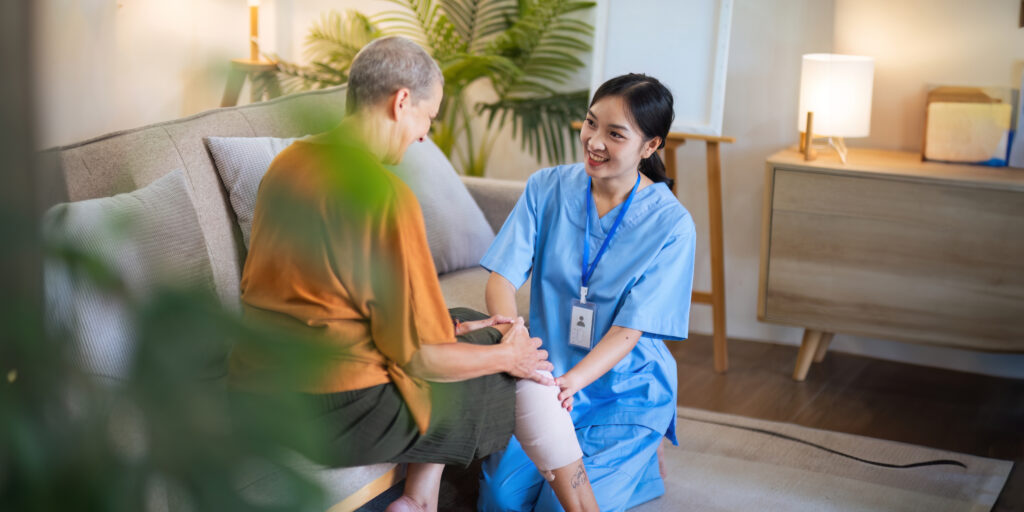
No two joint replacement recoveries are identical. Home health care plans are customized based on surgery type, health history, and personal goals.
Care teams collaborate with surgeons, therapists, and families to adjust services as recovery progresses. This flexibility ensures patients receive the right level of care at every stage.
Personalized planning improves outcomes and prevents unnecessary complications.
Long-Term Outcomes Supported by Home Health Services
The benefits of home health extend beyond the early recovery phase. Continued therapy and education promote lasting joint function and injury prevention.
Patients who receive structured home care often achieve better mobility, reduced pain, and improved quality of life. Education provided during recovery supports healthier movement habits long after services end.
Conclusion
Recovering from joint replacement surgery requires more than time alone. Home health care provides skilled medical oversight, therapy, safety planning, and emotional support that help patients heal confidently and effectively.
By delivering personalized care in a familiar environment, home health services reduce complications and promote independence. For patients seeking a smoother recovery journey, professional home care offers lasting value.
Healing Hearts Medical is committed to supporting joint replacement recovery through compassionate, skilled home health services that prioritize comfort, safety, and long-term success.
Frequently Asked Questions
1. How soon can home health services start after joint replacement surgery?
Home health care often begins within 24 to 48 hours after hospital discharge, depending on physician orders and patient needs.
2. How long does home health care last after joint replacement?
The duration varies, but many patients receive services for several weeks until mobility, strength, and safety goals are met.
3. Is physical therapy at home as effective as outpatient therapy?
Yes. In-home physical therapy is highly effective, especially during early recovery, as exercises are tailored to real-life environments.
4. Does insurance cover home health care after joint replacement?
Many insurance plans, including Medicare, cover medically necessary home health services when ordered by a physician.
5. Can family members assist during home health recovery?
Yes. Home health professionals educate family caregivers so they can safely support recovery between visits.