Recovering from a stroke is a life-changing journey that affects not only physical strength but also emotional confidence, cognitive function, and independence. Many stroke survivors face challenges such as limited mobility, speech difficulties, memory loss, and emotional distress. These challenges can feel overwhelming when recovery happens in an unfamiliar clinical environment.
Home health care offers a personalized, structured, and emotionally supportive approach to stroke rehabilitation at home. By receiving care in a familiar setting, patients often experience improved motivation, better consistency in therapy, and reduced stress levels. Families also gain peace of mind knowing their loved one is receiving professional support without leaving home.
This article explores how home health care supports stroke rehabilitation, the types of services involved, and why home-based recovery leads to better long-term outcomes for many stroke survivors.
Understanding Stroke Rehabilitation and Recovery Needs
Stroke rehabilitation focuses on helping individuals relearn skills lost due to brain injury. Recovery is different for every patient, depending on the type of stroke, severity, and overall health condition.
The Physical Impact of a Stroke
A stroke can affect muscle strength, coordination, balance, and mobility. Some patients experience partial paralysis or weakness on one side of the body, making basic activities such as walking, dressing, or bathing difficult.
Home health care professionals assess physical limitations and create rehabilitation plans that gradually restore strength and mobility. Exercises are tailored to the patient’s current abilities, allowing steady progress without unnecessary strain.
Cognitive and Communication Challenges
Stroke survivors may struggle with memory, attention, speech, and language processing. These cognitive changes can impact daily communication and independence.
Home health care allows therapists to work directly within the patient’s living environment, helping them relearn communication skills in real-life situations such as conversations with family members or managing daily routines.
Emotional and Psychological Recovery
Depression, anxiety, and frustration are common after a stroke. Losing independence can deeply affect self-esteem and motivation.
Home-based care offers emotional reassurance, routine, and familiarity, which can significantly improve mental well-being and overall recovery engagement.
How Home Health Care Creates a Personalized Stroke Rehabilitation Plan
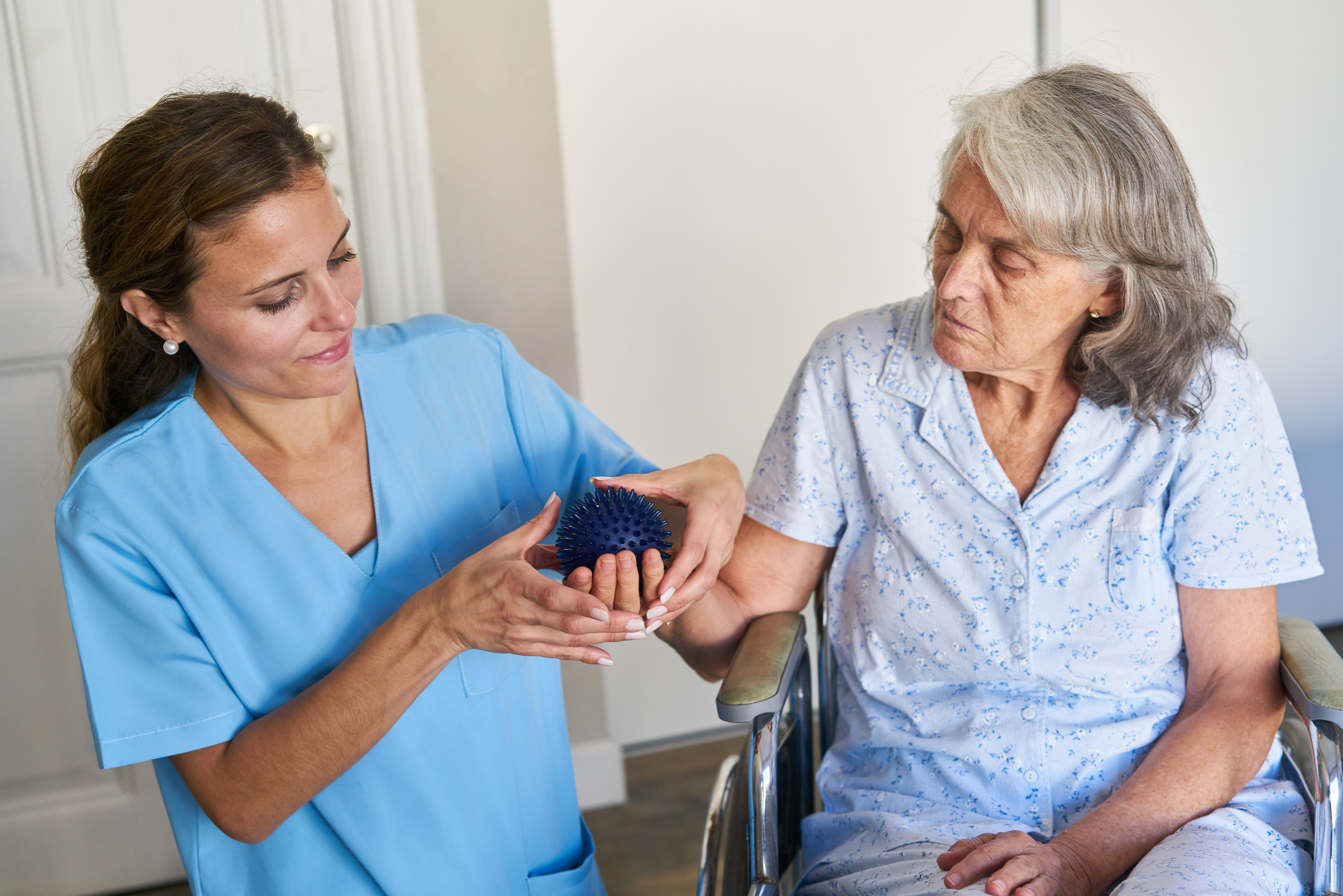
Unlike facility-based care, home health services are designed around the individual patient rather than a fixed schedule.
Comprehensive In-Home Assessment
Home health care begins with a full assessment of physical ability, cognitive function, emotional state, and home safety. This evaluation allows caregivers and therapists to understand the unique challenges each patient faces.
Based on this assessment, a customized care plan is created that aligns with medical recommendations while fitting seamlessly into the patient’s daily life.
Goal-Oriented Therapy Approach
Rehabilitation goals may include regaining walking ability, improving speech clarity, or performing daily tasks independently. These goals are broken down into achievable steps.
Progress is monitored continuously, and care plans are adjusted as the patient improves, ensuring therapy remains effective and motivating.
Family Involvement and Education
Family members are often involved in the rehabilitation process. Caregivers provide education on exercises, safety techniques, and emotional support strategies.
This collaborative approach strengthens recovery outcomes and helps families feel confident in supporting their loved one.
Physical Therapy at Home for Stroke Recovery
Physical therapy plays a central role in restoring movement and preventing long-term complications.
Strength and Mobility Exercises
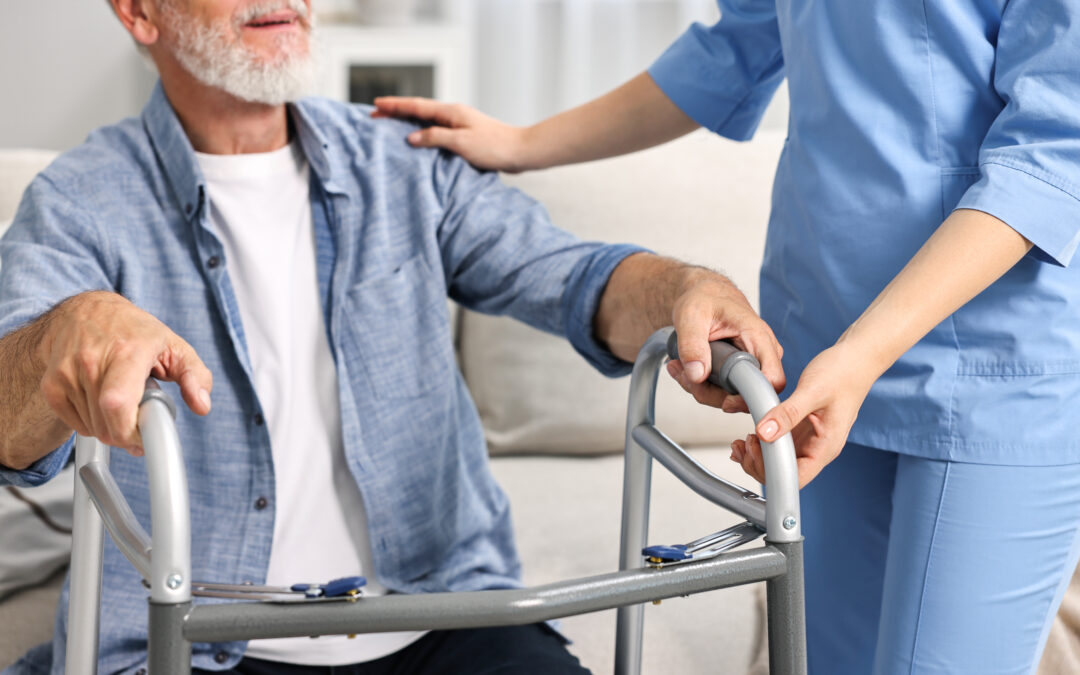
Therapists guide patients through exercises that improve muscle strength, coordination, and balance. These exercises are adapted to the home environment using furniture, stairs, or assistive devices.
Practicing movements in the same space where patients live helps them apply learned skills directly to daily activities.
Fall Prevention and Safety Training
Stroke survivors face a higher risk of falls due to weakness or poor balance. Home health care professionals identify hazards and recommend modifications.
Below is an example of common safety improvements:
| Home Safety Area | Recommended Modification |
| Bathroom | Grab bars and non-slip mats |
| Hallways | Clear walkways and proper lighting |
| Stairs | Handrails and step markings |
| Bedroom | Bed height adjustments |
These changes reduce injury risk and promote confidence.
Gait and Balance Re-Training
Walking safely after a stroke requires retraining the brain and muscles. Physical therapists use step-by-step methods to rebuild proper movement patterns.
Consistent practice at home accelerates improvement and helps patients regain independence faster.
Occupational Therapy and Daily Living Skills
Occupational therapy focuses on helping stroke survivors perform everyday tasks safely and independently.
Relearning Essential Daily Activities
Tasks such as bathing, dressing, eating, and grooming can become difficult after a stroke. Occupational therapists break these activities into manageable steps.
By practicing these tasks in the home, patients build confidence and muscle memory where it matters most.
Adaptive Tools and Techniques
Therapists may introduce adaptive tools such as one-handed utensils, dressing aids, or modified kitchen equipment.
These tools reduce frustration and allow patients to maintain independence while recovering strength and coordination.
Energy Conservation Strategies
Stroke survivors often experience fatigue. Occupational therapists teach techniques to conserve energy, prioritize tasks, and rest effectively.
This approach prevents burnout and supports sustainable recovery progress.
Speech Therapy and Cognitive Rehabilitation at Home
Speech and cognitive therapy address communication and thinking challenges following a stroke.
Speech and Language Improvement
Speech therapists help patients improve clarity, pronunciation, and comprehension. Therapy may include conversation practice, repetition exercises, and memory drills.
Working at home allows patients to practice communication with family members, making therapy more practical and meaningful.
Swallowing and Feeding Support
Some stroke survivors experience difficulty swallowing. Speech therapists provide safe swallowing techniques and dietary guidance to reduce choking risks.
Early intervention at home prevents serious complications such as aspiration pneumonia.
Cognitive Skill Development
Cognitive therapy focuses on attention, problem-solving, and memory. Therapists use everyday activities such as organizing schedules or following instructions.
These real-world exercises help patients regain independence in daily decision-making.
Emotional Support and Mental Health Benefits of Home Care
Stroke recovery is not only physical but deeply emotional.
Reducing Stress Through Familiar Surroundings
Being at home reduces anxiety and confusion, especially for seniors. Familiar surroundings promote relaxation and emotional stability.
This calm environment improves focus and engagement during therapy sessions.
Building Confidence and Motivation
Home health caregivers provide encouragement and positive reinforcement. Celebrating small milestones boosts morale and motivation.
Confidence plays a vital role in long-term rehabilitation success.
Supporting Family Caregivers
Home health professionals also support family caregivers by offering guidance, respite, and reassurance.
This shared responsibility prevents caregiver burnout and strengthens family relationships.
Long-Term Benefits of Home Health Care for Stroke Survivors

Home-based stroke rehabilitation offers lasting advantages beyond initial recovery.
Improved Recovery Consistency
Regular visits and structured routines ensure therapy is consistent. Patients are more likely to follow care plans when therapy fits their lifestyle.
Reduced Hospital Readmissions
Proper monitoring, medication management, and education reduce complications that lead to hospital readmissions.
Greater Independence Over Time
With continued support, many stroke survivors regain independence in mobility, communication, and self-care.
Home health care empowers patients to rebuild their lives with dignity and confidence.
Conclusion
Stroke rehabilitation is a complex and deeply personal journey. Home health care provides individualized therapy, emotional support, and practical solutions that promote recovery in a familiar and comfortable environment.
By addressing physical, cognitive, and emotional needs at home, patients experience better engagement, improved outcomes, and a higher quality of life. Families also benefit from guidance and reassurance throughout the recovery process.
At Healing Hearts Medical, compassionate home health care supports stroke survivors every step of the way, helping them regain independence and confidence where it matters most.
Frequently Asked Questions
1. How soon should home health care begin after a stroke?
Home health care should begin as soon as the physician approves discharge. Early intervention improves recovery outcomes and prevents complications.
2. What services are included in home stroke rehabilitation?
Services may include physical therapy, occupational therapy, speech therapy, nursing care, and emotional support, depending on patient needs.
3. Is home health care as effective as facility-based rehabilitation?
For many patients, home-based care is equally or more effective because therapy is personalized and applied directly to daily life.
4. How long does stroke rehabilitation at home last?
Recovery timelines vary. Some patients require weeks of care, while others benefit from long-term support based on progress and goals.
5. Can family members be involved in home rehabilitation?
Yes. Family involvement is encouraged, and caregivers receive education to support recovery safely and effectively.